3d Debossed Logo Mockup Design for Realistic Branding
In the competitive world of visual branding, the difference between a flat image and a compelling presentation often lies in realism. A 3d Debossed Logo Mockup Design offers a sophisticated solution for professionals who need to showcase their work with precision. Unlike standard 2D presentations that can feel sterile or disconnected from reality, a debossed effect simulates an indentation into a surface, creating depth, shadow, and texture that the human eye instantly recognizes as authentic.
This level of detail is crucial for anyone looking to elevate their portfolio, pitch decks, or marketing materials. When you present a logo that appears physically embossed or pressed into leather, paper, or metal, you are not just showing a design; you are demonstrating how it will perform in the real world. This mockup tool bridges the gap between digital creation and physical application, ensuring your brand identity looks as professional offline as it does on a screen.
Understanding the Power of Debossed Textures
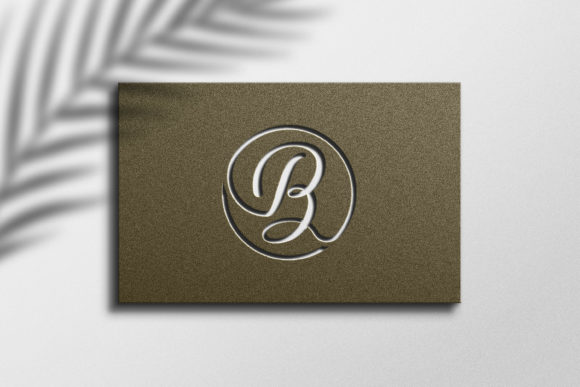
A debossed logo is created by pressing a die into a material, resulting in a recessed impression. This technique is widely used in premium packaging, corporate stationery, and high-end merchandise because it conveys quality and permanence. By utilizing a 3d Debossed Logo Mockup Design, designers can replicate this tactile experience digitally without needing expensive photography equipment or physical prototypes.
The primary advantage here is accuracy. In a realistic mockup, the lighting interacts with the edges of the design, casting subtle shadows that define the depth of the impression. This creates a sense of weight and substance that flat vector files simply cannot achieve. For entrepreneurs and business owners, presenting a product or service with this level of visual fidelity builds immediate trust. It signals that attention has been paid to every detail, from the font choice to the material finish.
Why Realism Matters in Modern Marketing
Consumers today are bombarded with digital content. To cut through the noise, visuals must stop the scroll. A generic flat logo might get overlooked, but a highly realistic render of that same logo applied to a textured surface grabs attention. This is particularly effective for:
- Freelancers and Agencies: When pitching to potential clients, showing a logo on a business card, a laptop, or a branded notebook helps the client visualize the final product.
- E-commerce Sellers: If you sell custom apparel or accessories, showing your design debossed onto fabric or leather increases perceived value and reduces return rates caused by mismatched expectations.
- Content Creators: Bloggers and educators can create more engaging social media posts and thumbnails that stand out against the backdrop of flat graphics.
The psychological impact of realism cannot be overstated. When a design looks "real," the brain processes it as tangible. This enhances engagement and makes the brand message more memorable. A 3d Debossed Logo Mockup Design leverages this psychology to turn a simple graphic into a persuasive sales tool.
Seamless Integration via Smart Objects
One of the most significant hurdles in using high-quality mockups is technical complexity. Many designers avoid them because they assume they require advanced Photoshop skills or hours of manual editing. However, modern tools have streamlined this process significantly. The core feature of this specific pack is the Smart Object Replacement capability.
This technology allows users to simply double-click a designated layer to open their own artwork. Once you place your logo, text, or custom design into the smart object, the software automatically applies the necessary transformations. You do not need to manually adjust angles, perspective, or lighting curves. The system handles the math behind the scenes, ensuring your design conforms perfectly to the surface's geometry.
This "replace and done" workflow is a game-changer for efficiency. Whether you are a seasoned graphic designer managing multiple client projects or a hobbyist working on a personal brand, the barrier to entry is removed. You retain full creative control over your assets while benefiting from professional-grade rendering effects. The result is a polished look that requires minimal time investment.
Technical Specifications That Ensure Quality
To truly understand the value of this tool, one must look at the underlying specifications. The package includes a file resolution of 3000 x 2000 pixels at 300 DPI. This high-resolution standard is essential for print-ready outputs. It ensures that whether you are printing a large poster or a small brochure, the image remains crisp and free from pixelation.
The file structure is equally important. Being fully layered and organized into folders means you can tweak individual elements if needed. While the smart object handles the heavy lifting, having access to the layers allows for fine-tuning. You can adjust the background color, change the material texture, or modify the lighting direction to match your specific project requirements. This flexibility transforms a static template into a dynamic workspace.
- High Quality 3D Realistic Rendering: Every shadow and highlight is calculated to mimic real-world physics.
- 100% Editable: No locked layers prevent you from customizing the scene to fit your needs.
- No Skill Requirement: The interface is intuitive enough for beginners yet powerful enough for experts.
- Comprehensive Packaging: The pack delivers both a PSD file for editing and a JPEG for immediate use.
Practical Applications Across Industries
The versatility of a 3d Debossed Logo Mockup Design extends far beyond simple logo display. Its applications span various sectors, each leveraging the unique properties of the debossed aesthetic to communicate specific brand values.
In the corporate sector, debossing is synonymous with elegance and authority. Law firms, financial institutions, and consulting agencies often use this style for letterheads, executive cards, and annual reports. The recessed effect suggests stability and tradition, qualities that these businesses strive to embody. Using a mockup that accurately replicates this texture allows companies to preview their stationery before committing to expensive printing runs.
For the fashion and lifestyle industry, the debossed look is frequently applied to leather goods, watch faces, and clothing labels. It adds a touch of luxury that flat printing cannot achieve. Marketers can use these mockups in lookbooks or online catalogs to show customers exactly how a garment or accessory will feel and look upon delivery. This transparency improves the user experience and reduces purchase anxiety.
Educational environments also benefit from this tool. Educators teaching graphic design or marketing can use these mockups as case studies to demonstrate the importance of context in branding. Students learn that a logo is not just a shape or a word; it is an element that interacts with its environment. By manipulating the mockup themselves, they gain hands-on experience with the principles of typography and texture.
Considerations for Implementation
While the benefits are clear, successful implementation requires a thoughtful approach. When selecting a mockup, ensure that the texture matches the intended material. A debossed logo on a glossy surface will reflect light differently than one on matte paper or rough leather. Pay attention to the lighting setup provided in the file; if the source image has harsh shadows, your design might appear too dark or contrast-heavy.
It is also vital to consider the aspect ratio of your design. A square logo might look different when debossed on a rectangular card compared to a circular badge. Test your designs in various orientations within the smart object to ensure legibility and balance. Remember, the goal is enhancement, not distortion. The mockup should make your design shine, not obscure it.
Finally, always export your final images in formats suitable for your platform. For web use, optimize the JPEGs to reduce file size without sacrificing visible quality. For print, ensure you keep the original PSD or export high-resolution TIFFs to maintain the 300 DPI standard. These small steps ensure that your 3d Debossed Logo Mockup Design performs optimally across all channels.
Ultimately, investing in a high-quality mockup is an investment in your brand's perception. It demonstrates a commitment to excellence and a desire to present your work in the best possible light. By making the transition from digital flatness to 3D realism, you empower yourself to tell a richer, more compelling story with your visuals.