3D Messages Icon Best Design: Elevating Digital Communication
In the fast-paced world of digital interaction, visual cues are often the first point of contact between a user and an application. When we talk about 3D messages icon best design, we are not merely discussing aesthetics; we are addressing a critical component of user experience (UX) that dictates how quickly and effectively users understand their interface. A well-crafted three-dimensional message icon serves as a universal language, signaling notifications, updates, or direct communication in a way that flat designs sometimes struggle to achieve.
For adults navigating complex software environments, mobile apps, or web platforms, the clarity of these icons can mean the difference between seamless engagement and frustration. This guide explores what constitutes the best design for 3D message icons, the challenges designers face, and practical strategies to implement solutions that truly work for end-users.
Understanding the Core Concept
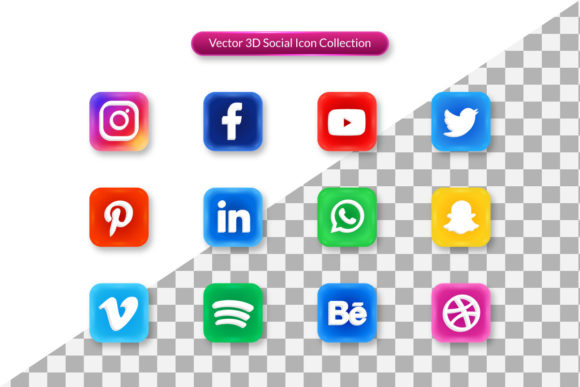
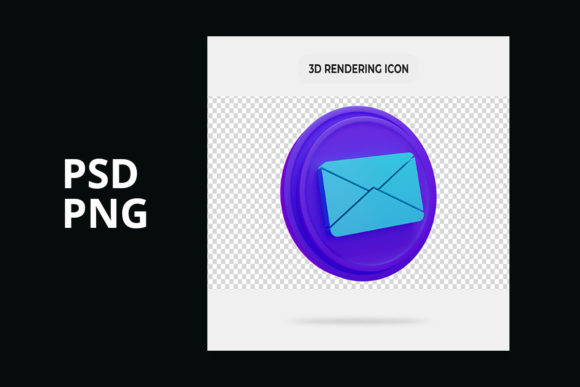
The term 3D messages icon best design refers to the creation of graphical representations of communication tools that utilize depth, lighting, texture, and perspective to create a sense of realism or stylized dimensionality. Unlike flat icons which rely on color and simple shapes, 3D icons leverage shadows, gradients, and highlights to appear as tangible objects floating within the user interface.
This approach is driven by the human brain's ability to process spatial information rapidly. When a message icon looks like a physical object, it triggers a psychological response that makes it feel more "present" and important. However, achieving the 3D messages icon best design requires a delicate balance. It must be visually striking without becoming cluttered or distracting from the actual content of the message.
Addressing Common Challenges in UI Development
Designers and developers often encounter specific hurdles when attempting to integrate 3D elements into messaging systems. One of the primary challenges is performance. High-fidelity 3D models can be resource-intensive, potentially slowing down load times on mobile devices or older hardware. If the icon takes too long to render, the user experience degrades, negating the visual benefits.
Another significant challenge is consistency. Creating a cohesive set of 3D icons where every element shares the same light source, shadow angle, and material texture is difficult but essential. Inconsistencies can make an app look unprofessional and confuse the user. Furthermore, there is the issue of accessibility. Overly complex 3D effects can reduce contrast or obscure text, making it difficult for users with visual impairments to distinguish the icon from the background.
Finally, scalability remains a concern. A 3D icon that looks impressive at a large resolution may lose its detail and become muddy when shrunk down to a small notification badge size. The 3D messages icon best design must account for these variations, ensuring the core identity of the icon remains intact across all screen sizes.
How Optimal Design Solves User Needs
When executed correctly, the right approach to 3D messaging icons directly addresses these challenges while enhancing the overall utility of the application. By focusing on 3D messages icon best design, developers can create interfaces that feel intuitive and engaging.
- Enhanced Visibility: The use of depth and lighting helps the icon pop against various backgrounds, ensuring that critical notifications are noticed immediately. This is particularly useful in busy dashboards where multiple data points compete for attention.
- Emotional Connection: 3D icons can convey a softer, more friendly tone compared to rigid geometric shapes. This humanizes the digital interaction, making users feel more comfortable initiating or receiving messages.
- Clear Hierarchy: Through the manipulation of shadows and elevation, designers can establish a clear visual hierarchy. Important messages can be given more weight through subtle changes in the 3D rendering, guiding the user's eye to what matters most.
The goal is not just to make things look cool, but to improve the functional flow of information. When users can instantly recognize a message icon due to its distinct 3D characteristics, they spend less time processing the interface and more time engaging with the content.
Practical Applications and Real-World Outcomes
The implementation of high-quality 3D messaging icons spans various sectors. In customer support applications, a friendly 3D chat bubble can reduce anxiety for users seeking help. In gaming platforms, dynamic 3D message icons can indicate multiplayer interactions or in-game events with greater excitement and urgency.
Consider a financial management app. Here, trust and clarity are paramount. A 3D messages icon best design in this context would avoid overly flashy or cartoonish styles. Instead, it might feature sleek, metallic textures with precise lighting that conveys stability and security. The outcome is a user who feels confident interacting with sensitive financial data because the interface appears robust and professional.
Similarly, in social networking contexts, the focus shifts to vibrancy and movement. Animated 3D icons that react to user interaction can increase engagement rates. When a user taps a message icon and sees it physically compress or glow, it provides immediate feedback, confirming that the action was registered. This tactile feel is a hallmark of excellent 3D design.
Strategies for Implementation and Optimization
To achieve the 3D messages icon best design, teams should adopt a user-centric workflow. Start by defining the context. Is the icon for a desktop dashboard, a mobile home screen, or a wearable device? Each platform has different constraints regarding space and processing power.
Recommendations for implementation include:
- Lighting Consistency: Establish a global light source for your entire icon set. All shadows and highlights should align logically. This creates a unified visual language that users subconsciously trust.
- Performance Optimization: Use vector-based 3D formats or optimized raster images rather than heavy WebGL models for static icons. Ensure that the file size is minimized without sacrificing visual quality.
- Accessibility Checks: Always test your 3D icons with grayscale filters and screen readers. Ensure that the icon retains its meaning even when depth cues are removed or inaccessible.
- Iterative Testing: Conduct A/B testing with real users. Show them versions with flat icons versus 3D icons and measure reaction times and satisfaction scores. Data-driven decisions often yield better results than assumptions.
Different users will approach the topic differently based on their technical expertise. Non-technical stakeholders might focus solely on the visual appeal, while developers will prioritize code efficiency. The bridge between these perspectives is the shared understanding that 3D messages icon best design is a tool for communication, not just decoration. Every decision made during the design process should answer the question: "Does this help the user communicate more effectively?"
Looking Toward the Future
As technology evolves, so too will the standards for digital design. We are moving toward interfaces that blend reality and digital elements more seamlessly. The 3D messages icon best design of today lays the groundwork for augmented reality (AR) integrations tomorrow. As users begin to interact with holographic interfaces or AR overlays, the principles of depth, lighting, and spatial awareness will become even more critical.
By focusing on the fundamental needs of the user—clarity, speed, and emotional resonance—designers can create icons that stand the test of time. Whether you are building a new startup app or redesigning an enterprise system, investing in the quality of your visual communication is an investment in your users' success. Remember, the best design is invisible; it simply works, allowing the message to take center stage.
In conclusion, mastering the art of the 3D message icon is about more than just rendering techniques. It is about understanding human psychology, optimizing for performance, and delivering a solution that enhances the daily lives of your users. By adhering to the principles of 3D messages icon best design, you ensure that your digital products remain relevant, accessible, and effective in an increasingly crowded marketplace.