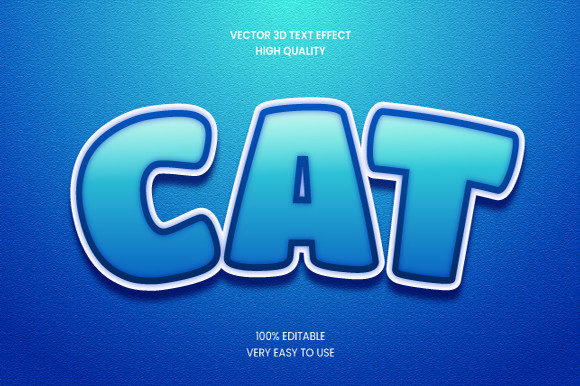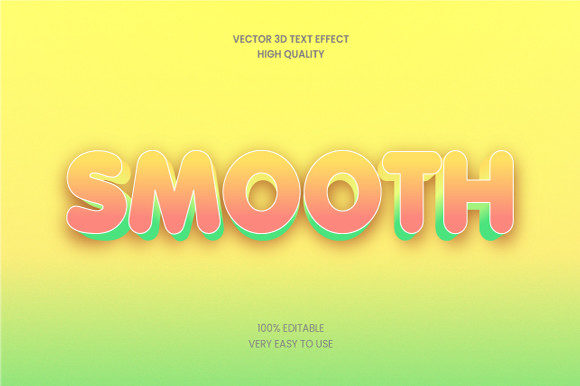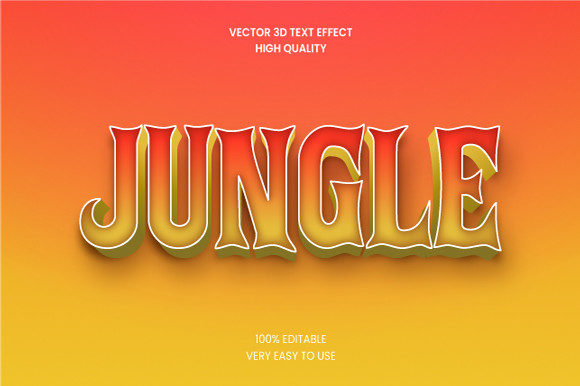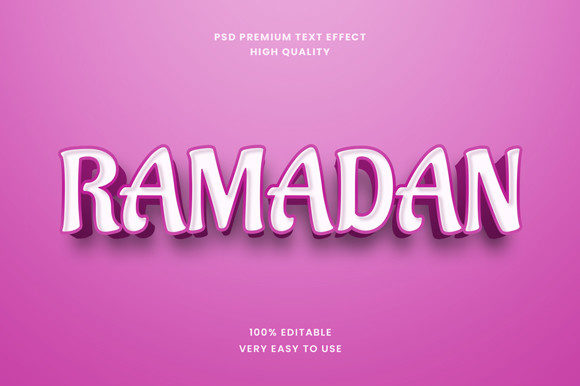
Subscribe 3d Text Effect PSD Mockup: Elevating Your Brand Identity
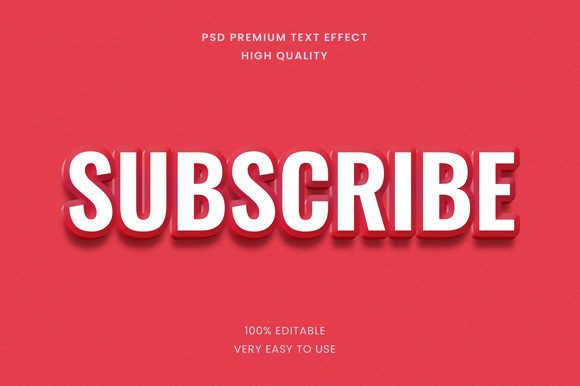
In the crowded digital landscape, where attention spans are measured in seconds, the visual impact of your text can be the deciding factor between a user scrolling past or stopping to engage. This is where the Subscribe 3D Text Effect PSD Mockup transforms from a simple graphic asset into a powerful marketing tool. It is not merely about making letters look shiny; it is about creating a tactile sense of depth and presence that commands authority and excitement. Whether you are launching a new YouTube channel, rebranding a tech startup, or designing merchandise for a global audience, having a versatile, high-quality text effect at your disposal changes the entire trajectory of your design workflow.
The core value of this resource lies in its ability to bridge the gap between complex 3D rendering software and the practical needs of everyday designers. Many professionals struggle with the time-consuming process of modeling text in heavy 3D applications like Blender or Cinema 4D only to find that the final render lacks the specific polish required for print or web standards. This mockup solves that problem by offering a pre-rendered, high-fidelity aesthetic that retains the illusion of three-dimensionality while remaining fully editable within Photoshop. It allows you to bypass hours of technical tweaking and focus entirely on the creative message you want to convey.
Real-World Applications Across Industries
Imagine you are a content creator looking to boost your subscriber count. A flat, standard font often fails to capture the energy of a gaming community or a dynamic vlog. By integrating the Subscribe 3D Text Effect, you instantly inject a level of production value that signals professionalism. The depth and lighting in these effects mimic physical materials, making the call-to-action feel substantial and urgent. When a viewer sees a glowing, embossed "Subscribe" button on a video thumbnail, their brain registers it as an interactive element, increasing click-through rates significantly compared to flat designs.
For e-commerce entrepreneurs and Print-on-Demand (POD) sellers, this tool is equally transformative. T-shirts, mugs, and tote bags often require bold typography to stand out against various fabric textures and colors. A standard vector logo might get lost on a heather grey shirt, but a 3D text effect with realistic shadows and highlights creates a perception of texture that translates beautifully to physical products. You can visualize exactly how the design will appear on a product before you ever commit to printing, reducing waste and ensuring customer satisfaction. The high quality resolution ensures that when you zoom in on a product preview, the edges remain crisp, avoiding the pixelation that plagues lower-resolution assets.
The utility extends far beyond consumer goods into the realm of corporate branding and digital presentations. Marketing teams often need to create pitch decks that wow stakeholders without requiring a dedicated motion graphics team. Using this mockup, you can create static slides that feature 3D headlines, giving the presentation a cinematic feel. Similarly, web banners and landing page headers benefit immensely from the dimensional aspect. In a flat-screen environment, subtle 3D effects provide a layer of sophistication that distinguishes premium brands from budget competitors. It adds a psychological weight to your brand name, suggesting stability and innovation.
Tailored Solutions for Diverse User Needs
Not every designer approaches a project with the same constraints or goals. For self-publishing authors on platforms like Amazon KDP, book covers are the primary sales driver. A generic title treatment can make a manuscript look amateurish, whereas a custom 3D effect suggests a blockbuster story waiting to be discovered. Authors can use the fully layered nature of the file to adjust the color palette to match the mood of their genre—cool blues for sci-fi, warm oranges for thrillers, or metallic silvers for non-fiction. This customization happens instantly, allowing for rapid iteration during the cover design phase.
Graphic designers working on large-scale campaigns face the challenge of maintaining consistency across multiple media formats. They might need the same 3D headline for a billboard, a social media post, and a printed brochure. Because this mockup is well-organized in folders and features smart object replacement, the transition between mediums is seamless. You can change the text once, and the effect adapts automatically, preserving the lighting and shadow integrity regardless of the output size. This flexibility is crucial for agencies managing tight deadlines and multiple client deliverables simultaneously.
Even hobbyists and small business owners benefit from the ease of use. You do not need to be a Photoshop expert to achieve professional results. The interface is designed for simplicity, allowing anyone to swap out their text and see immediate, stunning results. This democratization of high-end design tools means that a local bakery can create a mouth-watering 3D sign for their storefront window, or a podcaster can generate eye-catching episode art without hiring a freelance artist. The barrier to entry is lowered, empowering more voices to compete visually in their respective niches.
Navigating Practical Considerations
While the potential for these effects is vast, understanding the nuances of the workflow is essential for optimal results. The files arrive in a compressed zipped format, which is standard for protecting intellectual property and ensuring file integrity. To access the magic, you must extract the folder using the right-click method on your computer. Once extracted, the experience is straightforward, but it requires a basic understanding of how Smart Objects function in Photoshop. If you are unfamiliar with this concept, think of it as a protected container that holds your original image data; when you double-click inside it, you edit the source, and the main document updates automatically.
One critical consideration is the canvas size. With dimensions set at 2000×1200 pixels, this mockup is optimized for high-definition displays and medium-format prints. However, if your project demands massive scale, such as a full-page magazine spread or a large outdoor banner, you may need to upscale the document carefully. While the resolution is excellent for web and standard print, extreme enlargement without additional upscaling techniques could soften the details. Conversely, for mobile-first strategies, the high resolution ensures that the text remains sharp even on Retina displays, preventing any loss of clarity on smaller screens.
Another aspect to weigh is the versatility of the style. While the 3D effect is impressive, it is a specific aesthetic choice. It works exceptionally well for modern, energetic, and promotional contexts. However, if you are designing for a minimalist luxury brand that relies on serif fonts and negative space, a heavy 3D effect might feel too loud or distracting. In such cases, the strength of the editable layers becomes vital. You can tone down the extrusion, adjust the lighting intensity, or alter the material texture to better suit a subtler brand identity. The key is to treat the effect as a starting point rather than a rigid template.
Ultimately, the decision to incorporate the Subscribe 3D Text Effect PSD Mockup comes down to the balance between time investment and visual payoff. In an era where content creation is relentless, saving hours of rendering time while delivering a superior visual product is a strategic advantage. Whether you are crafting a logo for a new app, designing a T-shirt for a charity run, or building a website hero section, this tool offers a reliable path to elevated design. It empowers you to focus on the story you are telling, knowing that the typography supporting that story is robust, polished, and ready to perform.