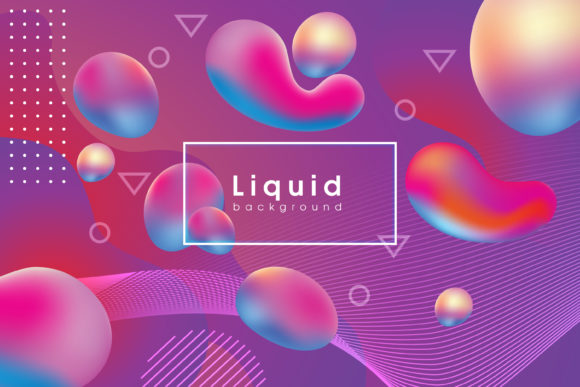
The Ultimate Guide to 3D Fluid Liquid Backgrounds and Colorful Abstract Shapes
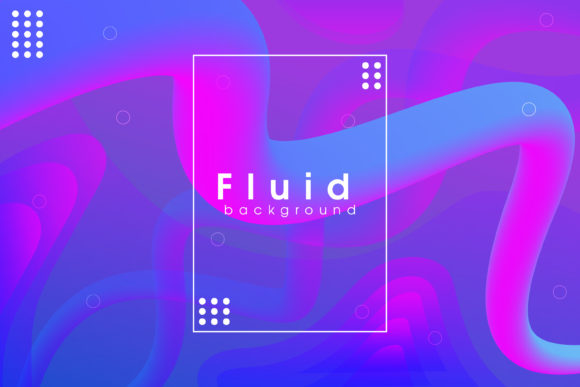
In the rapidly evolving world of digital design, static images are often replaced by dynamic, immersive experiences. Among the most captivating trends currently dominating screens, presentations, and branding is the 3D fluid liquid background design. These mesmerizing visuals combine the organic flow of liquids with vibrant, colorful fluid shapes to create a sense of movement and depth that traditional graphics simply cannot achieve. Whether you are looking for stunning HD wallpapers for your iPhone X or desktop, enhancing a corporate presentation, or seeking scalable vector art for creative projects, understanding this design style is essential.
This article explores the significance of fluid backgrounds, their practical applications in modern life and business, and why high-quality, customizable assets are crucial for designers and enthusiasts alike.
What Exactly Is a Fluid Liquid Background?
A fluid liquid background is a visual composition that mimics the behavior of liquids, gases, or molten materials. Unlike rigid geometric patterns, these designs feature smooth curves, gradients, and blending colors that appear to be in constant motion. When paired with Memphis and abstract shapes, the result is a playful yet sophisticated aesthetic that captures attention immediately.
The technology behind these backgrounds often involves advanced rendering techniques that simulate physics, such as viscosity and surface tension. However, when we discuss the specific assets available today—like those provided in Adobe Illustrator AI files—we are often dealing with high-fidelity vector illustrations that capture the *look* of fluid dynamics without requiring real-time rendering power.
Key Takeaway: While real-time fluid simulations require heavy computing power, vector-based fluid backgrounds offer the same visual impact with infinite scalability, making them perfect for both web and print media.
The Power of Scalability: Why Vector Matters
One of the most critical aspects of professional design resources is scalability. This is where the difference between a standard raster image and a 100% vector file becomes apparent. The product described here includes an Adobe Illustrator AI file, which means every curve, gradient, and shape is defined by mathematical equations rather than fixed pixels.
This offers several distinct advantages:
- Infinite Resolution: You can scale the artwork from a tiny mobile icon to a massive billboard without any loss of quality. There is no pixelation or blurriness.
- Customization: Because the elements are vectors, you can easily change colors, reshape the fluid blobs, or rearrange the Memphis-style shapes to fit your brand identity.
- File Size Efficiency: Vector files are often smaller in size compared to high-resolution raster images, making them faster to load on websites while maintaining crisp edges.
For users who need HD walls wallpaper or high-definition mobile screens, starting with a vector source ensures that the final output meets the highest standards of clarity.
Versatile Applications in Modern Life and Business
The utility of colorful fluid shapes extends far beyond simple decoration. Their ability to evoke emotion and guide the viewer's eye makes them invaluable across various sectors.
Digital Displays and Personalization
Perhaps the most common use case is personal customization. In an era where our phones and computers are extensions of our personalities, having a unique iPhone X wallpaper or desktop background sets the tone for the user experience. A colorful fluid shapes background provides a calming, engaging visual that is less distracting than busy photos but more interesting than solid colors.
Professional Presentations
When creating slides for a business pitch or educational seminar, generic templates often fail to engage the audience. Using a 3D fluid liquid background as a backdrop for your content can significantly boost retention. The organic shapes naturally draw the eye toward the center of the slide, where text or data is usually placed. Furthermore, because the file is 72 DPI RGB Color Mode optimized for screens, it ensures that your presentation looks vibrant on projectors and monitors alike.
Branding and Marketing
Modern brands are moving away from stiff, corporate aesthetics toward more fluid, approachable identities. Fluid backgrounds symbolize adaptability, creativity, and forward-thinking. By incorporating these abstract shapes into social media banners, website headers, or packaging designs, companies can communicate a sense of innovation.
Technical Specifications and Accessibility
To ensure that these assets meet the rigorous demands of professional workflows, they come with specific technical attributes. Understanding these details helps users maximize the potential of the design files.
The primary asset is delivered as an Adobe Illustrator AI File, accompanied by JPG and PNG formats for immediate use. This dual-format approach caters to different needs:
- AI Files: For designers who need to edit, recolor, or manipulate the elements. This is the "source" file that allows for true customization.
- JPG and PNG: Ready-to-use files for non-designers or for quick integration into web pages and documents. The PNG version typically supports transparency, allowing the fluid shapes to blend seamlessly over other content.
The resolution is set at 3000×2000 Pixels, which is considered High Definition (HD). This dimension is versatile enough to cover standard desktop monitors and can be cropped effectively for vertical mobile devices. Although the working resolution is optimized for screen display (72 DPI), the vector nature of the underlying file means the output can be re-exported at print resolutions (300 DPI) if necessary, offering flexibility for hybrid projects.
Debunking Common Misconceptions
Despite the popularity of these designs, there are often misunderstandings regarding their complexity and usage.
Misconception 1: "Fluid backgrounds are too complex to customize."
Reality: With a proper Adobe Illustrator AI file, customization is straightforward. Users can select individual fluid shapes, change their fill colors using the color picker, or adjust the opacity to create depth. The "quick and easy to customize" feature is not just a marketing claim; it is a fundamental benefit of vector-based design.
Misconception 2: "These are only for tech startups."
Reality: While popular in the tech sector, the Memphis and abstract shapes trend has crossed over into fashion, education, and lifestyle branding. The playful nature of colorful fluids appeals to a broad demographic, making them suitable for children's apps, wellness blogs, and creative portfolios.
Misconception 3: "High resolution means huge file sizes."
Reality: As mentioned, because the core design is 100% vector, the AI file remains lightweight regardless of the resolution settings. The large pixel dimensions (3000x2000) only apply when exporting the final raster image, ensuring you get the best of both worlds: small source files and massive output capabilities.
How to Get the Most Out of Your Assets
If you have acquired a set of these designs, here is how you can integrate them effectively into your workflow:
- Create Depth: Use the fluid layers to create a parallax effect on your website. Place the darker, denser fluid shapes in the background and lighter, transparent shapes in the foreground.
- Brand Alignment: Even though the shapes are abstract, you can match the RGB Color Mode of the fluid to your brand's primary palette. This creates a cohesive look without losing the dynamic feel.
- Presentation Flow: In PowerPoint or Keynote, use different fluid variations for each section of your deck. This subtle shift keeps the audience engaged without causing visual fatigue.
- Mobile Optimization: Crop the 3000x2000 image to focus on the most vibrant part of the fluid for your mobile screens. Ensure the focal point aligns with the top or center of the phone screen for optimal viewing.
Conclusion: Embracing the Flow of Creativity
The transition from static to fluid design represents a shift towards more natural, human-centric digital experiences. 3D fluid liquid background designs and colorful fluid shapes offer a unique blend of artistic expression and technical precision. They are not merely decorative elements; they are powerful tools that enhance communication, elevate branding, and personalize digital spaces.
Whether you are a seasoned graphic designer looking for a robust Adobe Illustrator AI file to streamline your workflow, or a casual user searching for the perfect iPhone X wallpaper, these assets provide the versatility and quality needed to stand out. With features like high resolution (3000×2000 pixels), RGB color mode, and full vector scalability, they are built to compete with the latest updates in design software while remaining accessible to everyone.
By embracing these fluid aesthetics, you are not just following a trend; you are adopting a design philosophy that values movement, adaptability, and beauty. So, take your creative projects to the next level, explore the possibilities of abstract shapes, and let your imagination flow.