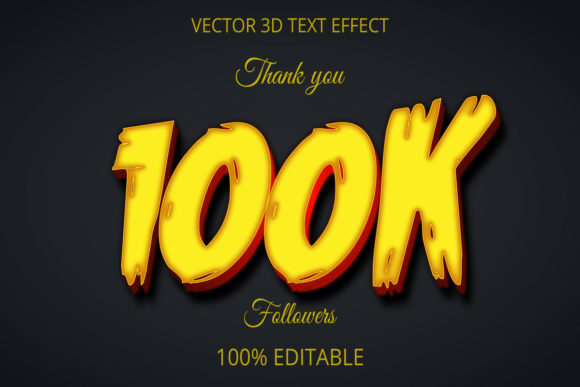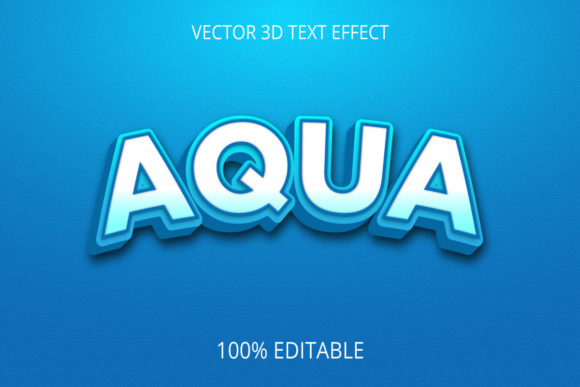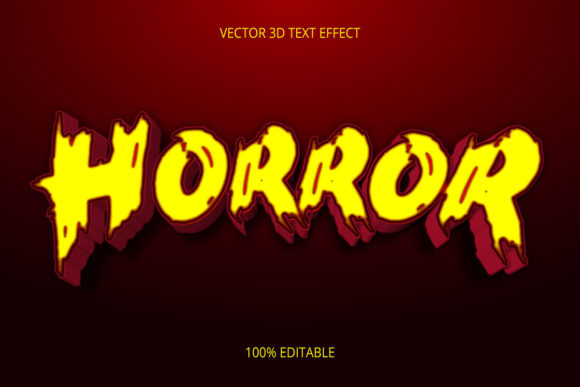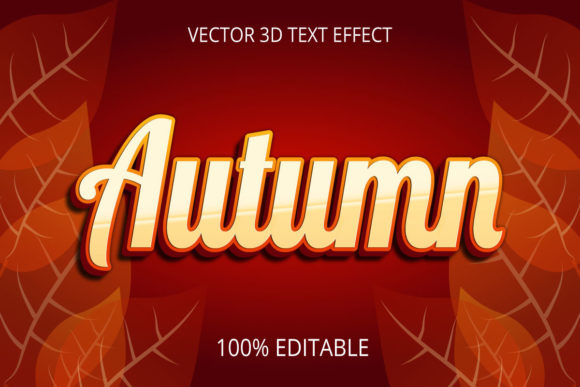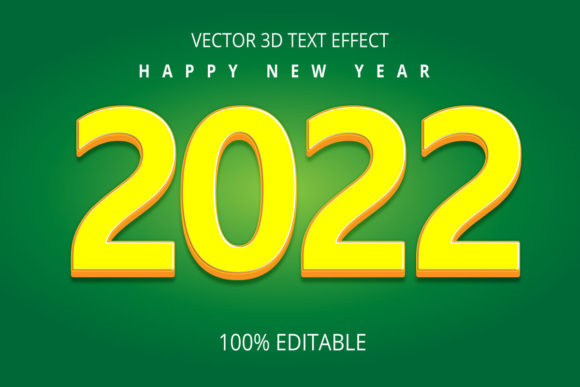
2022 3D Text Effect Creative Design
The digital landscape is saturated with static content, making it increasingly difficult for brands and creators to capture attention. This is where 2022 3D text effect creative design emerges as a transformative tool. It is not merely about adding depth to letters; it is a strategic approach to typography that bridges the gap between traditional graphic design and immersive digital experiences. By manipulating light, shadow, perspective, and texture, designers can turn flat words into tangible objects that invite interaction.
In 2022, this trend moved beyond simple extrusions and neon glows. The focus shifted toward realism, materiality, and context-aware designs that feel like they belong in the physical world. Whether you are a marketer crafting a campaign or an educator creating engaging course materials, understanding how to apply these effects can significantly elevate your visual communication.
Understanding the Core of 3D Typography
At its heart, 3D text effect creative design relies on the manipulation of spatial dimensions. Unlike standard vector graphics, which exist on a two-dimensional plane, 3D typography introduces height (Z-axis), allowing elements to cast shadows, reflect light, and occupy space. This added dimensionality creates a psychological impact; our brains perceive three-dimensional objects as more substantial and important than flat ones.
The "2022" iteration of this style is characterized by a return to organic textures and soft lighting. We have seen a move away from the harsh, glossy plastic look of the early 2010s toward materials that mimic clay, brushed metal, frosted glass, or even organic matter like moss or stone. This shift makes the text feel tactile. When a user sees a headline that looks like it is made of warm, glowing lava or cool, polished marble, they instinctively want to reach out and touch it. This tactile illusion is the primary driver of engagement in modern web and social media design.
Creative Possibilities and Material Variations
The versatility of 3D text allows for endless variations depending on the desired mood and message. Here are several distinct approaches that define the current creative landscape:
- Soft Clay and Pastel Models: Using rounded edges and matte finishes, this style evokes friendliness and approachability. It is ideal for lifestyle blogs, children's education platforms, or brands focusing on wellness. The lack of sharp angles reduces visual aggression.
- Liquid and Fluid Dynamics: Simulating liquid metal or water flowing through letters creates a sense of movement and energy. This is particularly effective for tech startups, event promotions, or music festivals where dynamism is key.
- Eco-Friendly Organic Textures: Integrating wood grain, leaf patterns, or soil textures into typography aligns perfectly with sustainability narratives. A logo for an eco-brand rendered in bark-like 3D text instantly communicates its values without a single word of explanation.
- Neon and Cyberpunk Aesthetics: While retro, the 2022 interpretation of neon involves more complex refraction and bloom effects. These work exceptionally well for gaming communities, nightlife events, and futuristic product launches.
Each variation requires a specific set of rendering techniques. For instance, achieving a realistic clay look often involves subsurface scattering, a technique where light penetrates the surface of the object before being scattered back out. In contrast, metallic effects rely heavily on environment mapping to simulate reflections from surrounding objects.
Practical Applications Across Industries
The utility of 2022 3D text effect creative design extends far beyond artistic portfolios. Different professionals can leverage these effects to solve specific communication challenges.
Marketers and Small Business Owners use 3D typography to create high-conversion landing pages. A product title rendered in 3D stands out against a clean background, guiding the user's eye directly to the call-to-action button. However, the key is balance; the text should enhance the offer, not distract from it. Overly complex shadows or heavy gradients can slow down page load times and confuse users on mobile devices.
Educators and Content Creators find immense value in breaking down complex concepts. Instead of a flat list of bullet points, 3D text can be used to highlight key terms or steps in a tutorial. Imagine a video thumbnail where the main topic floats in 3D space with a slight rotation; this immediately signals to the viewer that the content is dynamic and worth their time.
Freelancers and Agencies utilize these designs to differentiate their brand identity. In a crowded marketplace, a unique typographic style becomes a signature asset. By customizing fonts to include specific 3D treatments—such as a gradient mesh or a unique bevel—a designer creates a proprietary look that competitors cannot easily replicate.
Adapting for Platforms and Contexts
One of the most critical aspects of this design trend is adaptability. A 3D render that looks stunning on a desktop monitor might appear muddy or pixelated on a smartphone screen if not optimized correctly. To ensure effectiveness across formats, designers must consider the viewing context.
- Mobile Optimization: On smaller screens, intricate details can get lost. Simplify the geometry of the 3D text. Reduce the number of segments in curves and minimize complex lighting calculations. Ensure the text remains legible even when scaled down to a small icon size.
- Social Media Formats: Vertical videos and stories require bold, centered typography. Since social feeds are often viewed quickly, the 3D effect should provide an immediate "pop" rather than requiring prolonged inspection. High-contrast colors and clear outlines help maintain readability against busy backgrounds.
- Web Performance: Heavy 3D assets can increase file sizes, negatively impacting SEO and user experience. For web applications, consider using CSS-based 3D transforms for lighter interactions or optimizing WebGL files. If using static images, ensure they are compressed appropriately without losing the essential texture details.
Best Practices for Clarity and Consistency
While creativity is paramount, clarity should never be sacrificed. The goal of 2022 3D text effect creative design is to communicate a message, not just to display technical prowess. There is a fine line between an impressive design and an unreadable one.
To maintain consistency, establish a strict style guide. Define the lighting source direction (e.g., top-left) so that all text elements cast shadows in the same direction. Inconsistent lighting breaks the illusion of reality and makes the design look disjointed. Similarly, choose a limited color palette. Using too many vibrant colors with 3D effects can result in visual noise that overwhelms the audience.
Legibility is the ultimate metric of success. Avoid excessive extrusion that obscures letterforms. If the depth of the text makes it difficult to distinguish between similar characters (like 'O' and 'Q'), simplify the shape. Use negative space effectively to separate the 3D elements from the background. A subtle drop shadow or ambient occlusion can help lift the text off the background, ensuring it remains distinct even in low-light environments.
The Future of Interactive Typography
As technology evolves, the boundaries of 3D text will continue to expand. We are moving toward interactive typography where the text reacts to user input. Hovering over a 3D headline could cause it to rotate, change texture, or emit particles. This level of interactivity turns passive reading into an active exploration.
For now, the focus remains on mastering the fundamentals: lighting, texture, and composition. By grounding your designs in realistic physics and thoughtful material choices, you can create work that feels authentic and impactful. Whether you are designing a book cover, a website header, or a social media post, the principles of 2022 3D text effect creative design offer a powerful way to make your words stand out in a crowded digital world.
Start by experimenting with simple shapes and basic lighting setups. As you become comfortable with the tools, gradually introduce more complex materials and animations. The journey from flat to 3D is not just a technical upgrade; it is a creative evolution that invites your audience to engage with your content on a deeper level.