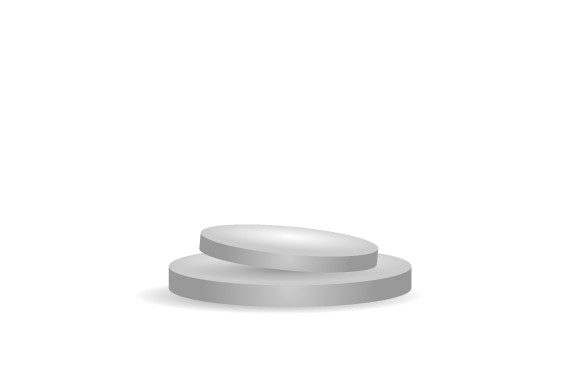
3d White Podium Pedestal Design Vector: A Practical Guide to Elevating Your Visuals
In the world of digital design and presentation, a 3d white podium pedestal design vector often serves as the silent hero. It is that clean, minimalist element that anchors a product showcase or highlights an award without stealing the spotlight. Whether you are a marketer preparing a campaign for a new gadget, an educator designing a slide deck for a lecture, or a freelancer creating a portfolio for a client, this specific asset offers versatility that raster images simply cannot match. However, finding the right file is only half the battle; knowing how to integrate it effectively is what separates a professional result from a generic template.
Many creators rush to download any image labeled with these keywords, assuming all white pedestals are created equal. This assumption can lead to significant issues later in your workflow. The difference between a high-quality vector asset and a poorly constructed one lies in scalability, layer organization, and color adaptability. When you choose a 3d white podium pedestal design vector background intended for decoration or interior visualization, you need more than just a pretty picture; you need a tool that adapts to your specific needs.
The Hidden Pitfalls of Low-Quality Vector Assets
One of the most common mistakes beginners make is overlooking the file format limitations before downloading. While the listing might promise a 3d white podium pedestal design vector, not all files deliver on that promise. If you purchase a file that claims to be scalable but is actually a low-resolution PNG disguised as a vector, you will hit a wall when trying to resize it for large-format printing or high-definition displays. The edges will become jagged, and the smooth gradients that give the 3D effect its depth will break apart.
Another frequent oversight involves the color properties of the design. A pure white podium (RGB 255, 255, 255) looks pristine on a blank canvas, but it can cause problems when placed over light-colored backgrounds or integrated into complex interior designs. Without proper transparency handling or vector-based color overrides, the object may appear to float unnaturally or cast harsh, unrealistic shadows. This lack of integration can ruin the visual cohesion of your project, making even the best content look amateurish.
Furthermore, consider the complexity of the layers. In professional workflows, you often need to adjust the lighting, change the material texture, or modify the angle of the pedestal to fit a specific perspective. Many cheap or free assets come as flattened images where every pixel is locked together. If you cannot isolate the base from the top surface, you lose the ability to customize the design. This rigidity forces you to compromise on your creative vision, often resulting in a final product that feels generic rather than tailored.
Why File Formats Matter More Than You Think
When evaluating a 3d white podium pedestal design vector, you must pay close attention to the formats provided. The standard package should include AI, EPS, JPG, and PNG files, each serving a distinct purpose in your design pipeline.
- AI and EPS: These are the native vector formats used by Adobe Illustrator and other design software. They contain the mathematical data that allows the image to scale infinitely without losing quality. Use these when you need to edit paths, adjust anchor points, or recolor the object. If a seller does not provide these, you are limited to using the image at the exact resolution it was exported.
- PNG: This format is essential for web use and quick mockups. A high-quality PNG with a transparent background allows you to place the podium instantly into Photoshop or Canva without worrying about clipping masks. However, remember that PNGs are still raster images; do not rely on them for print work larger than your screen size.
- JPG: While less useful for editing, JPGs are valuable for quick previews or when sharing drafts with clients who do not have design software installed. They ensure compatibility across all devices, though they lack transparency support.
Failing to verify that these four formats are included can lead to frustration. Imagine spending hours building a layout only to realize the podium needs to be twice as wide for a billboard, and you only have a small JPEG. The result is a blurry, unusable asset that delays your project and potentially costs you money in rework.
Mistakes in Application and Context
Even with the perfect file, errors can occur during the application phase. A common mistake is ignoring the lighting direction. A 3d white podium pedestal design vector comes with pre-calculated shadows and highlights based on a specific light source. If you place this element onto a scene lit from the opposite side, the physics will look wrong immediately. The podium will appear to defy gravity or look like a sticker pasted onto the image.
To avoid this, always analyze the light source in your target environment. If your background has a strong shadow coming from the left, you may need to flip the podium horizontally or manually adjust the shading effects within your vector software. Ignoring this detail breaks the immersion of your design, causing viewers to subconsciously distrust the entire presentation.
Another subtle error is neglecting the context of "interior and background" usage. If you are using the podium for a virtual event backdrop, you must ensure the perspective matches the camera angle of the stage. A podium designed for a front-facing view will look distorted if rotated 45 degrees without proper 3D manipulation. While some vectors offer multiple angles, many do not. In such cases, it is better to select a simpler, flatter design that can be easily manipulated rather than forcing a complex 3D model into a mismatched perspective.
Practical Steps for a Flawless Integration
To ensure your 3d white podium pedestal design vector delivers professional results, adopt a methodical approach before you start designing. First, open the AI or EPS file in your vector editor and inspect the layer structure. Check if the object is grouped logically. If everything is flattened, you will need to recreate the shape manually, which defeats the purpose of buying the asset. Look for separate layers for the base, the column, and the top surface so you can tweak them independently.
Next, test the scalability. Take the vector and drag it to the edge of your artboard. Does it remain crisp? If you see pixelation, the file is not truly vector-based. Once confirmed, experiment with the color. Since the design is white, try changing the fill color to a soft gray or a gradient to simulate different materials like marble or metal. This flexibility is a key advantage of vector graphics over static images.
Finally, always check the licensing terms. Some assets are restricted to personal use only, which can be problematic if you are a business owner or freelancer working for a client. Ensure you have the commercial rights to use the 3d white podium pedestal design vector in your marketing materials, websites, and printed brochures. Overlooking this can lead to legal complications down the road.
By understanding the nuances of file formats, respecting the physics of light and shadow, and verifying the technical integrity of the asset, you can transform a simple graphic into a powerful design element. Whether you are decorating a digital stage or creating a sophisticated interior visualization, taking the time to evaluate your tools ensures that your final output is polished, professional, and effective.