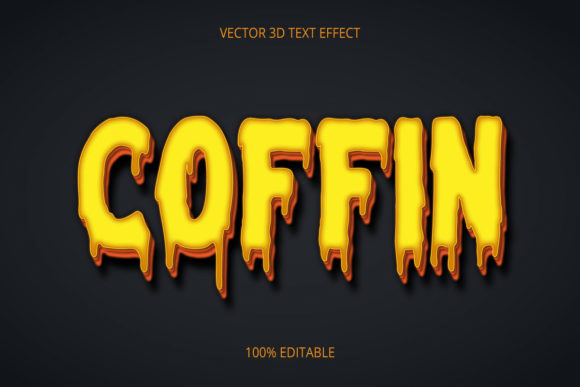
Coffin 3D Text Effect Creative Design: A Bold Shift in Visual Storytelling
In the rapidly evolving landscape of digital design, visual trends often emerge from the most unexpected corners of culture and psychology. Recently, a striking aesthetic has gained significant traction among creators, marketers, and designers: the Coffin 3D Text Effect Creative Design. At first glance, this style might seem morbid or niche, but its rise is far from accidental. It represents a sophisticated intersection of gothic aesthetics, modern depth perception, and a cultural shift toward embracing the macabre as a form of high-end expression.
This design phenomenon is not merely about placing text inside a coffin shape; it is a complex manipulation of light, shadow, and typography to create an immersive, three-dimensional experience that commands attention. As audiences become increasingly desensitized to standard flat designs and generic gradients, the demand for bold, emotionally resonant visuals has never been higher. The Coffin 3D Text Effect Creative Design answers this call by offering a unique visual hook that blends mystery with luxury.
The Anatomy of a Dark Aesthetic
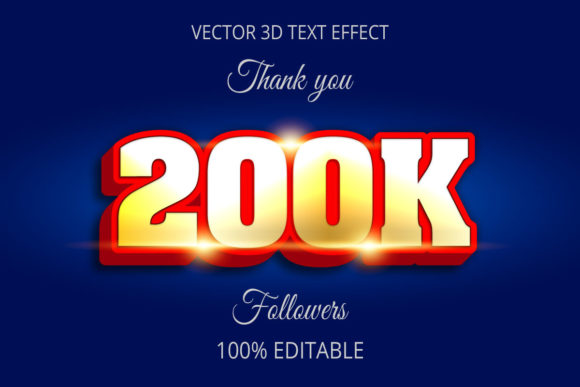
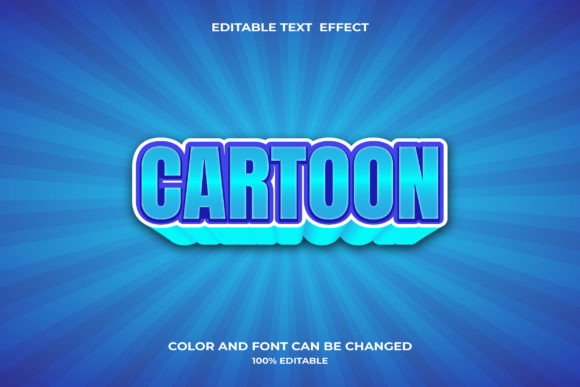
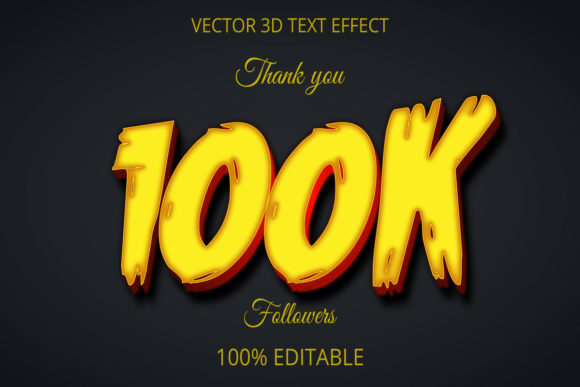
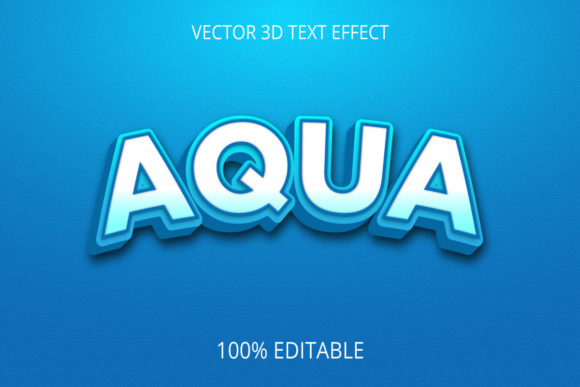
To understand why this specific effect is gaining popularity, one must look at the technical and artistic components that define it. Unlike traditional 3D text effects that rely on soft bevels, glossy finishes, or neon glows, the coffin-inspired variation leans heavily on contrast and texture. It utilizes deep shadows, metallic accents, and sometimes weathered stone or velvet textures to simulate the interior of a sarcophagus or a grand funeral monument.
The "coffin" element serves as a container for the message, creating a natural frame that draws the eye inward. When combined with 3D rendering techniques, the text appears to float within this space, interacting with the virtual lighting. This creates a sense of weight and permanence that flat design simply cannot achieve. For professionals in the creative industry, mastering this style requires a nuanced understanding of:
- Lighting Dynamics: Using rim lighting to separate the text from the dark background.
- Materiality: Applying realistic textures like rusted iron, polished obsidian, or aged parchment.
- Typography Selection: Choosing fonts that complement the theme without sacrificing readability.
This level of detail transforms a simple headline into a piece of art. It signals to the viewer that the content behind the image is substantial, serious, and crafted with care.
Why Now? Cultural Shifts and Changing Habits
Trends in design rarely exist in a vacuum; they are reflections of broader societal shifts. The surge in interest surrounding the Coffin 3D Text Effect Creative Design aligns with several contemporary movements. First, there is the normalization of "dark academia" and gothic subcultures in mainstream media. From fashion runways to social media feeds, elements traditionally associated with death and mourning have been recontextualized as symbols of elegance, resilience, and exclusivity.
Furthermore, the modern digital consumer is overwhelmed by information. In a feed saturated with bright colors and cheerful imagery, a dark, moody 3D effect stands out precisely because it breaks the pattern. It evokes curiosity. When a user scrolling through a website or a social media post encounters a coffin-shaped 3D text effect, their brain pauses to process the anomaly. This pause is the designer's goal: capturing attention in a split second.
For entrepreneurs and business owners, this trend offers a way to differentiate their brand identity. Whether it is a gaming studio launching a horror-themed expansion, a luxury jewelry brand promoting a limited edition collection, or a music artist releasing a somber album, the visual language of the coffin effect communicates gravity and sophistication. It suggests that the product or service is not just another commodity, but something exclusive and perhaps even transformative.
Evolution of 3D Typography in Modern Workflows
The journey to achieving a high-quality Coffin 3D Text Effect Creative Design has evolved significantly over the last decade. Ten years ago, such an effect would have required extensive manual modeling in software like Maya or Cinema 4D, taking hours to render. Today, advancements in real-time rendering engines and AI-assisted design tools have democratized this capability.
Modern workflows allow creators to prototype these effects quickly. Tools like Blender, C4D, and even advanced Photoshop plugins enable designers to experiment with different materials and lighting setups in minutes rather than days. This accessibility means that small businesses and independent freelancers can now compete with large agencies in terms of visual impact. They can produce bespoke 3D assets that feel custom-made without the prohibitive costs of traditional production pipelines.
This evolution has also influenced how we think about user expectations. Audiences today expect websites and advertisements to feel "alive." Static images are no longer enough. The integration of 3D text effects into web interfaces—where the text might rotate slightly as the user scrolls or reacts to mouse movement—creates a dynamic interaction that enhances engagement. The coffin motif, when animated, can add a layer of theatricality that keeps users exploring the content.
Practical Implications for Creators and Businesses
For the professional creator, adopting the Coffin 3D Text Effect Creative Design is less about following a fad and more about expanding a versatile skill set. It challenges designers to think about negative space, depth, and emotional resonance. However, implementation requires strategic thinking. Overusing dark, heavy aesthetics can alienate an audience looking for approachability or clarity.
Therefore, the key lies in balance. Here are practical recommendations for integrating this style effectively:
- Context is King: Ensure the design matches the tone of the message. A coffin effect is perfect for a Halloween event, a true-crime podcast cover, or a high-fashion editorial, but it may clash with a children's educational app or a medical health blog.
- Readability First: Even the most visually stunning 3D effect fails if the text is illegible. Maintain high contrast between the text color and the background. Avoid overly complex textures that distract from the letters themselves.
- Strategic Usage: Use the effect sparingly as a focal point. Let it anchor a hero section or a key headline, then allow the rest of the design to breathe with simpler, cleaner elements.
For marketers, this trend offers a powerful tool for storytelling. By leveraging the psychological associations of the coffin symbol—finality, legacy, mystery—brands can craft narratives that resonate on a deeper emotional level. It allows for a form of communication that feels intimate and secretive, inviting the viewer to uncover what lies beneath the surface.
Beyond the Surface: The Future of Dark Design
As we look toward the future of digital design, the Coffin 3D Text Effect Creative Design is likely to remain a staple in the toolkit of forward-thinking creators. It represents a maturation of the 3D medium, moving beyond simple novelty to become a vehicle for genuine artistic expression. We can expect to see further innovations where this style merges with augmented reality (AR) and virtual reality (VR), allowing users to step inside the 3D text environment itself.
However, the core value of this trend will always be its ability to evoke emotion. In a world of ephemeral content, the coffin effect reminds us of the power of permanence. It forces a moment of reflection, a pause in the scroll. For the creator who understands how to wield this tool responsibly, it is not just a design choice; it is a statement.
Ultimately, the success of any design trend depends on execution. The Coffin 3D Text Effect Creative Design is not a magic bullet, but when applied with insight and precision, it transforms ordinary text into a memorable visual experience. It bridges the gap between the macabre and the magnificent, proving that even in the darkest corners of design, there is room for innovation, beauty, and profound connection.
Whether you are a seasoned graphic designer looking to refresh your portfolio, a blogger seeking to elevate your site's aesthetic, or a business owner aiming to make a bold statement, exploring this style can open new avenues for creativity. The key is to embrace the mood while maintaining clarity, ensuring that the visual impact serves the message rather than overshadowing it.