3D Text Effect Creative Design: Integrating Dynamic Typography into Professional Workflows
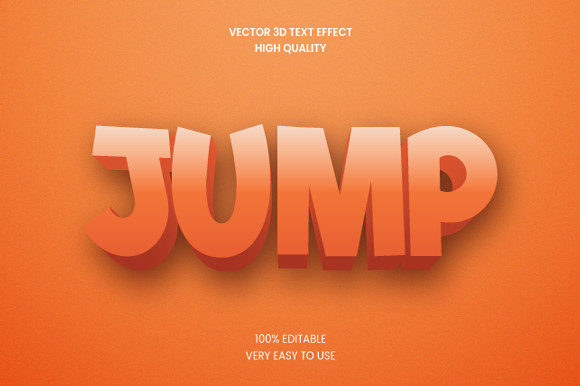
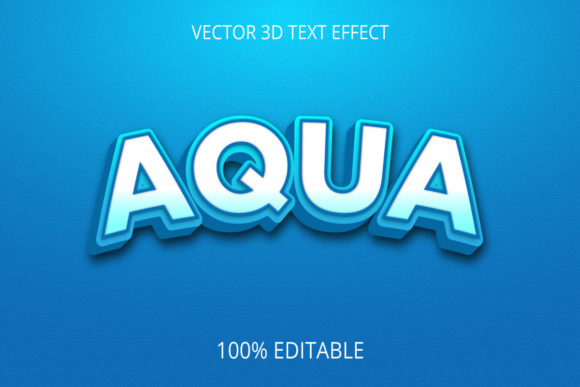
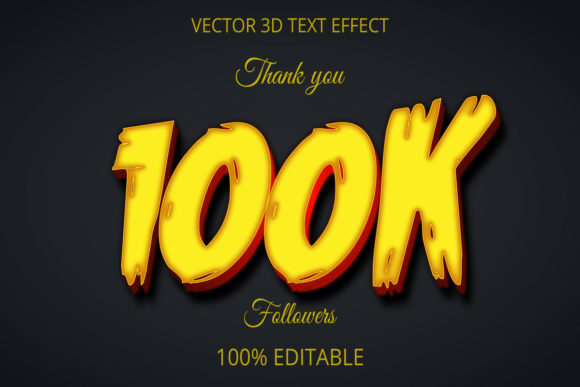
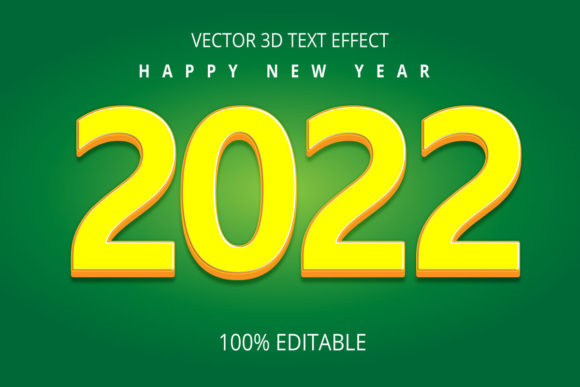
In the modern digital landscape, static text often fails to capture attention or convey the necessary depth for a brand message. 3D Text Effect Creative Design has emerged as a critical component in visual communication, bridging the gap between simple typography and complex graphic artistry. This approach involves manipulating letterforms to create an illusion of depth, volume, and texture, transforming flat words into tangible objects that demand viewer engagement. For professionals, creators, and entrepreneurs, understanding this design element is not merely about aesthetics; it is about enhancing clarity, guiding user behavior, and establishing a distinct visual identity across various platforms.
The integration of 3D effects into a workflow requires a shift from viewing text as mere information to treating it as a structural asset. Whether you are launching a new product, creating educational materials, or designing marketing collateral, the decision to use three-dimensional typography impacts how your audience perceives value and quality. Unlike standard vector graphics that rely on flat colors and outlines, 3D text introduces shadows, highlights, gradients, and perspective. These elements interact with light sources and surfaces, creating a sense of realism that can elevate a project from a basic draft to a polished final product.
Strategic Placement in the Creative Process
Understanding where 3D Text Effect Creative Design fits within a broader process is essential for efficient execution. In many projects, text effects are applied during the conceptualization phase to visualize potential outcomes before committing to production. For instance, a marketing team might use preliminary 3D mockups to test how a headline looks against different backgrounds or lighting conditions. This early application allows stakeholders to make informed decisions regarding color palettes, font weights, and spatial relationships without incurring the costs of physical prototyping.
During the execution phase, these designs serve as focal points that anchor the composition. When used in video editing software, social media campaigns, or website headers, 3D text acts as a dynamic element that draws the eye immediately. It creates a hierarchy, ensuring that the most important message stands out amidst cluttered interfaces. Furthermore, in educational contexts, educators utilize 3D text to break down complex concepts, making abstract ideas more concrete for students. The tactile nature of the design helps learners retain information by associating it with a visual form they can "see" and "touch."
Post-project implementation also benefits significantly from this technique. After a campaign has launched, having high-quality 3D assets allows for easy repurposing of content. A banner ad created today can be adapted for a print brochure tomorrow if the underlying files are versatile. This flexibility ensures that the creative investment yields long-term returns, maximizing the utility of every asset produced throughout the project lifecycle.
Workflow Efficiency Through Editable Vector Files
One of the most significant advantages of utilizing professional 3D text resources is the inclusion of editable vector design files. Specifically, receiving both EPS (Encapsulated PostScript) and JPG (Joint Photographic Experts Group) formats provides a robust foundation for diverse workflows. The EPS file is particularly valuable for designers who require precision and scalability. Because vectors are defined by mathematical equations rather than pixels, they can be resized from a business card to a billboard without any loss of quality. This characteristic is crucial for maintaining consistency across all branding materials.
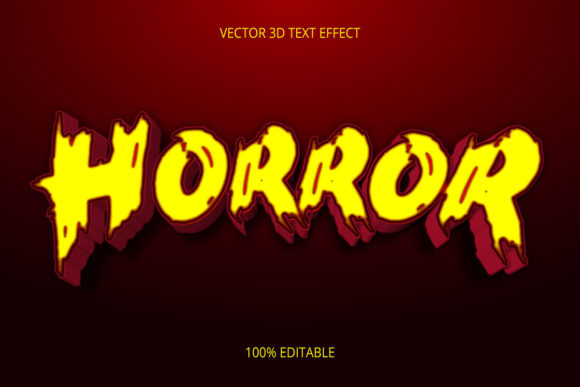
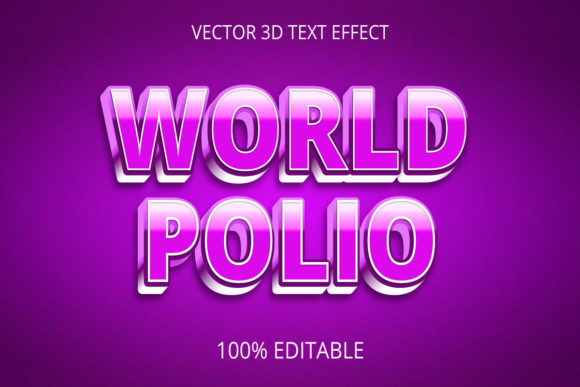
The ability to change 100 editable words, fonts, and sizes easily transforms the asset from a static image into a dynamic tool. In a fast-paced environment where client requirements may shift rapidly, the capacity to modify text instantly saves hours of manual rework. Instead of recreating a design from scratch when a typo is found or a price changes, a professional can simply select the text layer, update the content, and adjust the size to fit the layout. This level of control reduces turnaround times and minimizes the risk of errors in final deliverables.
Additionally, the separation of text layers allows for granular adjustments to individual characters or words. Designers can alter the lighting angle, material texture, or shadow intensity for specific parts of a phrase to emphasize certain keywords. This granular control supports a more nuanced approach to storytelling, where the visual weight of the text aligns perfectly with the intended emotional tone of the message. The inclusion of a JPG file complements the EPS by providing a rasterized preview that is ready for immediate use in web applications or quick social media posts, offering versatility without compromising the integrity of the source file.
Compatibility and Integration with Existing Tools
Seamless integration into existing software ecosystems is a key factor in adopting 3D text effects. Most industry-standard applications, such as Adobe Illustrator, Photoshop, CorelDRAW, and Affinity Designer, support EPS and vector-based workflows natively. This compatibility ensures that the assets can be opened, edited, and exported without needing conversion tools that might degrade quality or alter the original design intent. For freelancers and small business owners who may not have access to expensive enterprise suites, the universality of these file types means they can collaborate effectively with larger agencies or clients using different software stacks.
When integrating these designs into a broader workflow, it is important to consider the interaction with other resources. For example, 3D text often needs to coexist with photography, illustrations, or video footage. The transparency and layering capabilities of vector files allow designers to blend text seamlessly with background elements. Shadows and reflections can be adjusted to match the lighting of a photograph, creating a cohesive scene where the text appears to exist naturally within the environment. This attention to detail enhances the overall professionalism of the output.
Furthermore, the organizational aspect of managing these files cannot be overlooked. Keeping a library of well-structured, editable 3D text assets promotes efficiency. By naming layers logically and organizing folders by style or theme, teams can quickly locate the right asset for a specific task. This organization extends the lifespan of the designs, allowing them to be reused in future projects with minimal modification. It fosters a culture of resourcefulness, where creativity is amplified by having a reliable toolkit at hand.
Practical Implementation and Quality Control
To maximize the benefits of 3D Text Effect Creative Design, practitioners should adopt a disciplined approach to preparation and quality control. Before beginning any project, it is advisable to review the available fonts and ensure they meet the accessibility standards required for the target audience. Legibility is paramount; even the most visually stunning 3D effect is ineffective if the text is difficult to read. Adjusting the kerning, tracking, and line height ensures that the design remains clear on various devices and screen resolutions.
Consistency is another critical factor. When applying 3D effects across multiple pages or screens, maintaining uniform lighting directions and shadow styles reinforces the brand identity. Inconsistencies can confuse the viewer and undermine the perceived quality of the work. Regular audits of the design system help identify deviations early, allowing for corrections before final publication. This proactive stance prevents costly revisions and ensures that the final product meets the highest standards of excellence.
For those looking to implement these designs in their own routines, starting with small-scale projects is recommended. Experiment with different text effects on personal blogs, internal presentations, or hobbyist projects to build confidence and proficiency. As familiarity grows, the complexity of the designs can increase, incorporating advanced techniques like metallic textures, glass effects, or neon glows. The goal is to develop a personalized style that reflects the unique voice of the creator while adhering to best practices in visual communication.
Long-Term Value and Adaptability
The true power of 3D text lies in its adaptability over time. Trends in design evolve rapidly, but the fundamental principles of typography and depth remain constant. By investing in high-quality, editable vector files, creators future-proof their assets. If a design becomes outdated, the underlying structure can be modified to reflect current trends without discarding the entire concept. This longevity makes the initial investment in professional 3D text resources highly cost-effective.
Moreover, the ease of editing supports agile methodologies in project management. Teams can iterate quickly based on feedback, testing different variations of headlines or slogans to determine which resonates best with the audience. This data-driven approach to design ensures that the final output is not just aesthetically pleasing but also strategically aligned with business goals. Whether for a startup seeking market entry or an established corporation refreshing its image, the flexibility of editable 3D text provides a competitive edge.
In conclusion, 3D Text Effect Creative Design represents a powerful intersection of art and functionality. By leveraging the advantages of editable vector files, including the ability to modify words, fonts, and sizes effortlessly, professionals can streamline their workflows and enhance the impact of their visual communications. The inclusion of both EPS and JPG formats ensures compatibility and versatility, allowing these assets to thrive in any context. As the digital world continues to grow more saturated with content, the ability to create distinctive, high-quality 3D text will remain a vital skill for anyone looking to stand out and achieve lasting success.